
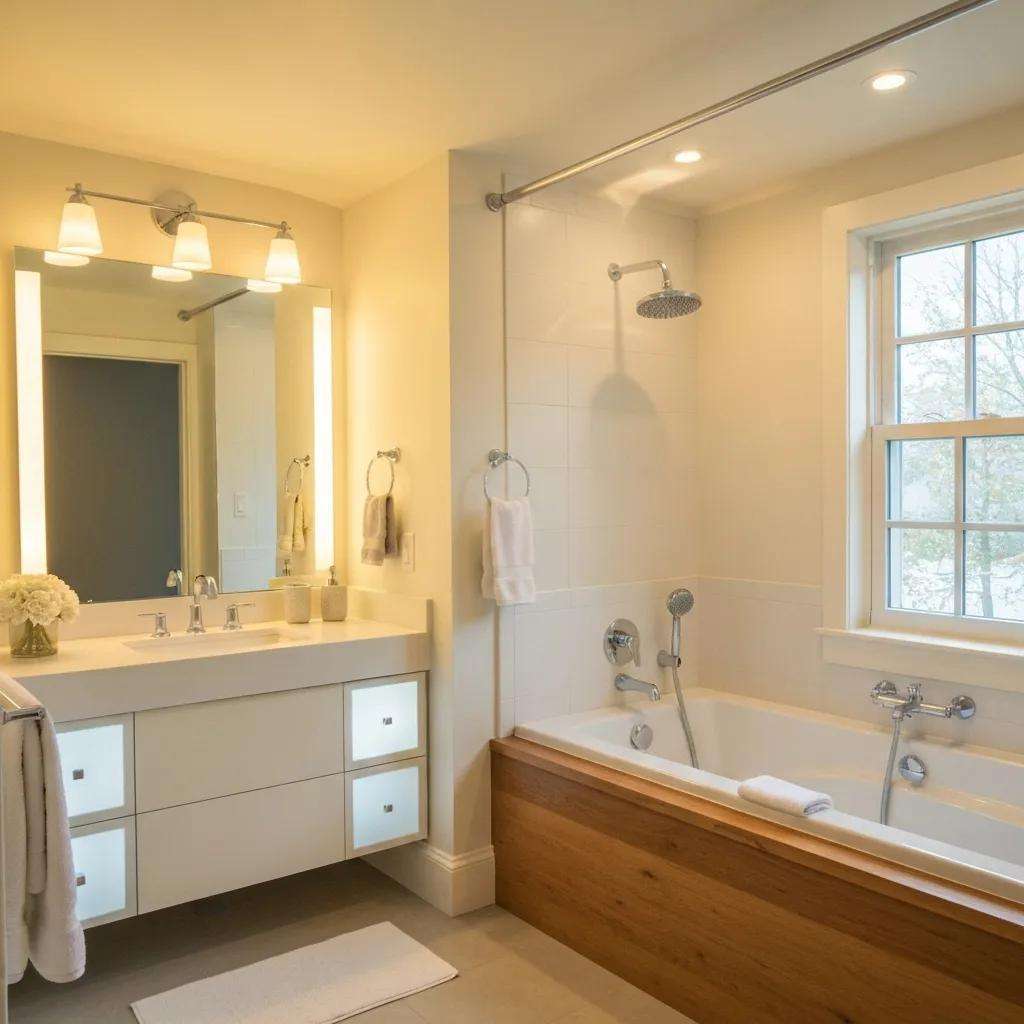
Professional Bathroom Renovation Cost Estimates: Your Complete Guide to Accurate Budgeting and Value
Bathroom remodels often range from essential updates to full luxury overhauls, with average professional renovation cost estimates in 2025 spanning $12,000 to $25,000 depending on scope and materials. Homeowners face uncertainty about line-item expenses for fixtures, labor, permits and unforeseen repairs, risking budget overruns and delays. DocuGuardian’s expert-backed cost estimation service delivers precise, transparent projections so homeowners can plan with confidence, avoid financial surprises and maximize return on investment. This guide covers:
- What average bathroom remodel costs look like in 2025
- Key factors shaping your renovation budget
- A detailed percentage breakdown of labor, materials and fixtures
- Strategies for boosting remodel ROI
- Cost ranges by remodel type and size
- Budgeting and financing techniques
- How DocuGuardian’s customized estimates work
- Common homeowner questions about remodel expenses
- Visual tools and resources for cost clarity
With clear cost data and actionable guidance, you can confidently define a realistic budget and secure lasting value for your home.
What Is the Average Bathroom Remodel Cost in 2025?
Average bathroom remodel costs in 2025 reflect increases in material prices, labor rates and permit fees. A typical mid-range renovation averages $12,000 to $25,000, offering a balanced upgrade in fixtures, finishes and layout improvements. Basic updates start near $5,000, while high-end overhauls can exceed $50,000 for custom cabinetry, premium tile and advanced plumbing features. Understanding these averages helps homeowners establish a realistic starting point for professional renovation cost estimates.
According to Angi’s 2025 data, the average bathroom remodel costs approximately $12,120, with typical project expenses ranging from $2,500 to $30,000. Basic updates can start lower, while full-fledged luxury remodels may exceed $80,000.
This research directly supports the article’s claims about average bathroom remodel costs and the varying ranges for different types of renovations in 2025.
How Do Bathroom Size and Remodel Type Affect Costs?
Bathroom size and remodel type directly influence total expenditure because larger footprints and extensive scope require more materials, labor hours and specialized services.
- Small or powder-room updates use fewer fixtures and often avoid structural changes.
- Mid-range remodels for full bathrooms involve standard layouts with fixture replacement and minor plumbing adjustments.
- Luxury renovations can include expanded square footage, high-end countertops, custom tile work and advanced features like heated floors.
Adjusting scope to match space ensures estimates align with project goals and avoids budget padding.
What Are Typical Cost Ranges for Small, Mid-Range, and Luxury Bathrooms?
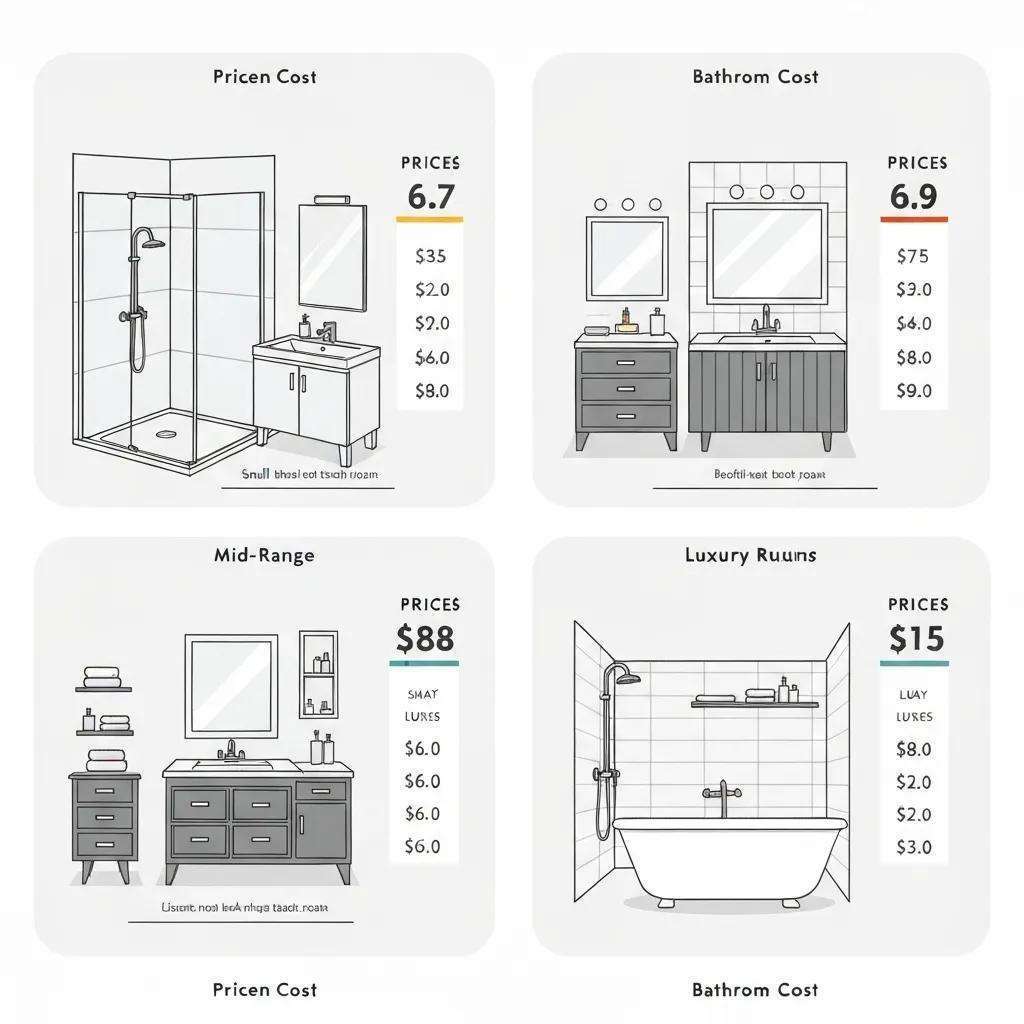
To compare remodel categories, the table below shows typical cost brackets along with defining characteristics:
These ranges help set expectations: small baths often undercut the mid-range bracket, while luxury projects can exceed $50,000 when bespoke finishes or structural work are included.
How Do Local Factors Influence Bathroom Renovation Costs?
Regional labor rates, material availability and permit fees vary by location and directly affect professional renovation cost estimates.
- Urban markets typically see 10–20% higher labor rates than rural areas.
- Regions with strict building codes may have permit costs ranging from $500 to $2,000 per project.
- Material shipping distances can add $200–$1,000 to specialized tile or stone orders.
Evaluating local market data ensures your estimate reflects true area-specific expenses and avoids underbudgeting.
What Factors Influence Your Bathroom Renovation Budget?
Numerous cost drivers determine how much you’ll spend on a bathroom remodel. Defining these factors early in planning provides clarity and prevents unexpected overruns. Major influences include material quality, labor rates, permit fees, hidden repairs and overall project scope. By understanding each element’s impact, homeowners can allocate budget dollars strategically and make informed decisions about finishes, professionals and contingency reserves.
How Do Materials and Fixtures Impact Your Budget?
Material and fixture selections account for a significant portion of total cost. The following list highlights common bathroom components and their typical price impact:
- Tile – Ceramic tile runs $2–$10 per sq ft, while porcelain or natural stone can reach $15–$30 per sq ft.
- Vanity and Countertop – Stock vanities start at $300; custom cabinets with quartz counters exceed $2,500.
- Plumbing Fixtures – Standard faucets cost $100–$300; designer fixtures can range from $400–$1,200 each.
- Shower/Tub – Acrylic showers begin at $600; custom glass enclosures and tile showers exceed $5,000.
Selecting mid-range materials typically balances cost and durability, supporting budget control while delivering long-term performance.
What Are Common Labor Costs and Professional Rates?
Industry estimates for 2025 indicate that labor costs represent a significant portion of a bathroom remodel budget, typically accounting for 40% to 60% of total expenses. Material selections also play a crucial role, potentially consuming 30% to 50% of the overall budget, depending on the quality and choices made.
This supports the article’s detailed percentage breakdown of labor and materials, providing a verified allocation for budgeting purposes in bathroom renovation projects.
Typical roles include:
- General contractor: $50–$100 per hour
- Plumber: $75–$150 per hour
- Electrician: $65–$120 per hour
- Tile installer: $40–$75 per sq ft installed
Allocating 1.2–1.5 times hourly wage for overhead and profit ensures accurate input for professional renovation cost estimates.
How Much Do Permits and Unexpected Repairs Add to Costs?
Permits and hidden repairs can add 5–15% to your baseline budget. Common permit and repair expenses include:
- Building permits: $500–$2,000 depending on jurisdiction
- Mold or water-damage remediation: $1,000–$5,000
- Structural framing changes: $2,000–$8,000
- Electrical rewiring or panel upgrades: $1,500–$4,000
Reserving a 10–20% contingency within your budget accounts for these potential surprises.
How Does Bathroom Size and Project Scope Affect Expenses?
As bathroom square footage increases or layout changes become more complex, total costs escalate proportionally. A 35 sq ft powder room remodel might stay under $10,000, while a 120 sq ft master bath renovation often exceeds $30,000. Defining project scope—such as moving plumbing lines or expanding space—is essential for precise cost estimation and effective budget management.
How Is a Detailed Bathroom Remodel Cost Breakdown Structured?
Breaking down a bathroom remodel budget by category enhances transparency and lets homeowners track expenses against estimates. A clear cost structure typically divides spending into labor, materials and fixtures, permitting, and allowances for hidden repairs. Presenting these categories as percentages of the total budget offers a high-level view of resource allocation.
What Percentage of Your Budget Goes to Labor, Materials, and Fixtures?
The table below illustrates typical budget allocations for a mid-range bathroom remodel:
Which Materials and Fixtures Are Most Cost-Effective?
Choosing cost-effective products can reduce overall spending without sacrificing quality. Key selections include:
- Porcelain tile – Offers durability similar to natural stone at half the cost.
- Prefabricated shower pans – Reduce installation complexity and waste.
- LED lighting fixtures – Provide long-term energy savings and reliability.
Identifying these high-value options helps homeowners achieve design goals while keeping costs in check.
How to Account for Contractor and Subcontractor Labor Costs?
Contractor pricing often bundles management, coordination and overhead. Allocate labor costs by role:
- General contractor markup – 10–20% of subcontractor invoices
- Subcontractor rates – Direct hourly or per-square-ft pricing
- Project management fees – $500–$2,000 flat fee
Including these line items in estimates ensures your total reflects both hands-on labor and professional oversight.
How Can You Maximize Your Bathroom Remodel ROI?
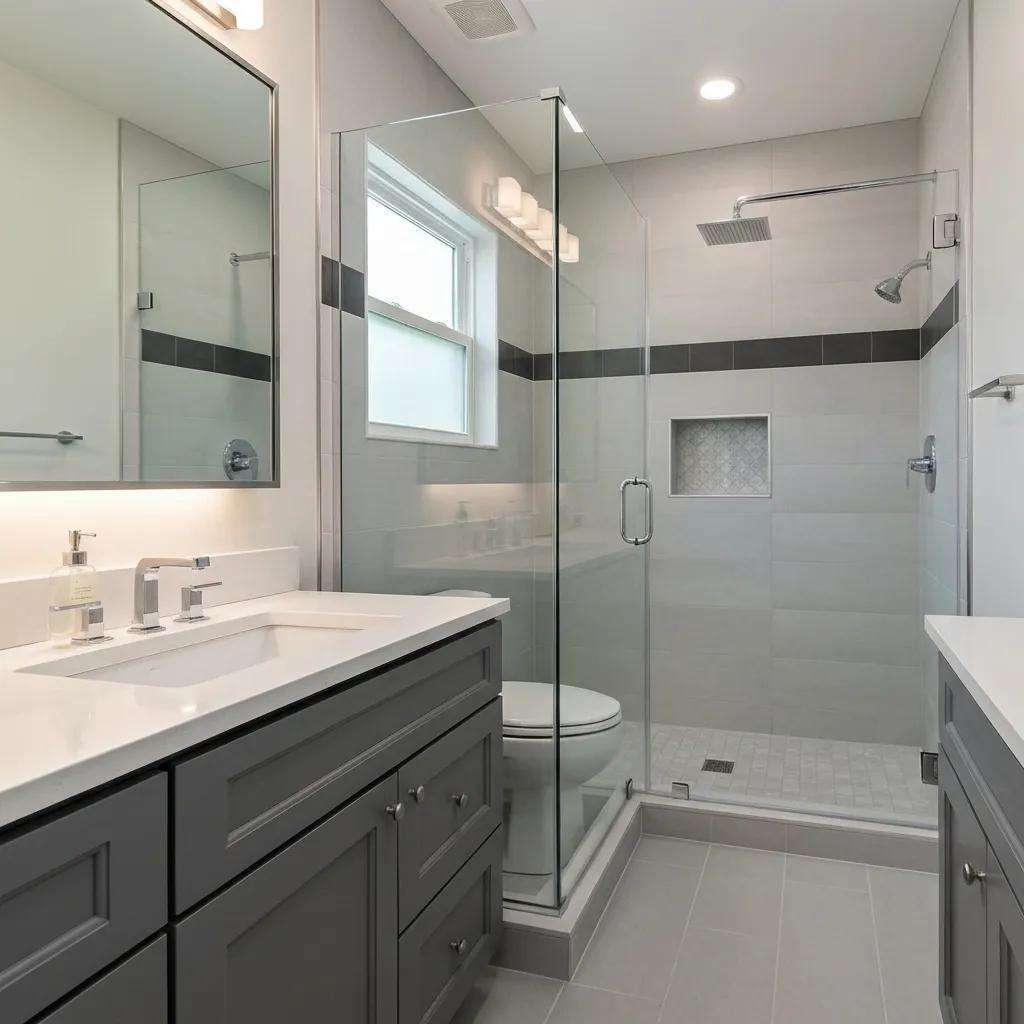
Focusing on upgrades that deliver the highest return can boost your home’s value while enhancing daily enjoyment. Bathroom remodels recoup 60–73% of project costs on average when designed and executed strategically. Choosing the right features and finishes drives curb appeal and buyer interest.
Which Bathroom Upgrades Add the Most Value to Your Home?
High-ROI enhancements combine aesthetic appeal with functional improvements:
- Quartz countertops – Durable surfaces that elevate perceived quality.
- Frameless glass shower enclosures – Modern design that showcases tile work.
- Energy-efficient fixtures – Water-saving toilets and faucets that lower utility bills.
- LED recessed lighting – Improves ambiance and perceived spaciousness.
These upgrades enhance both resale value and everyday user satisfaction.
What Is a Realistic ROI for Different Remodel Types?
ROI varies by remodel scale and finish level:
- Minor remodel (fixtures only) – 70–80% recouped
- Mid-range remodel – 65–75% recouped
- Upscale renovation – 45–55% recouped
A mid-range bathroom remodeling project typically costs an average of $25,000 and offers a strong return on investment (ROI) of 73.7%, according to the JLC 2024 cost report cited by This Old House. Upscale remodels, while more extensive, generally yield a 45.1% ROI.
Balancing luxury elements with cost-effective choices maximizes financial returns.
How Do Renovation Choices Affect Long-Term Home Value?
Design decisions impact perceived home value and marketability. Neutral color schemes, classic tile patterns and efficient layouts appeal broadly to prospective buyers. Conversely, highly personalized finishes or nonstandard layouts may limit appeal, reducing long-term value gains despite high initial expenditure.
What Types of Bathroom Remodels Are Available and How Much Do They Cost?
Bathroom remodels span from quick updates to comprehensive overhauls. Understanding each type helps match project goals with realistic budgets and timelines.
What Are Cost Expectations for Small Bathroom Remodels?
Small bathroom updates focus on cosmetic improvements and minor fixture swaps. Typical investments include:
- New vanity and faucet: $1,000–$2,500
- Tile refresh or new flooring: $1,500–$4,000
- Paint, lighting and hardware: $500–$1,500
Most small remodels range $5,000–$12,000, delivering a fresh look with minimal layout changes.
How Much Does a Luxury Bathroom Remodel Typically Cost?
Luxury renovations often involve expanded square footage, high-end materials and custom carpentry. Key cost drivers include:
- Custom cabinetry and millwork: $5,000–$15,000
- Premium stone tile or marble: $15–$30 per sq ft
- Smart fixtures and heated flooring: $2,000–$6,000
A full luxury remodel can exceed $50,000 when combining bespoke finishes with structural enhancements.
What Budget Bathroom Renovation Ideas Can Save Money?
Cost-saving strategies preserve quality without breaking the bank:
- Refinish existing tub instead of full replacement.
- Paint cabinets and update hardware for a refreshed appearance.
- Install stock vanities and countertops as cost-saving modules.
- Reuse plumbing locations to avoid rerouting expenses.
These approaches can reduce total project cost by 20–30% while maintaining a modern aesthetic.
How Do You Plan and Finance Your Bathroom Renovation Budget?
Effective budgeting and financing align project ambitions with financial reality. A structured plan incorporates savings, loans and cost-control measures to ensure a stress-free renovation.
What Financing Options Are Available for Bathroom Remodels?
Homeowners typically fund remodels through:
- Home equity loans or lines of credit – Low interest rates, secured by home equity
- Personal loans – Fixed payments, unsecured borrowing
- Credit card promotions – 0% APR periods on large purchases
- Savings allocation – No interest cost, immediate funding
Selecting the optimal financing mix balances cash flow needs, interest expense and repayment flexibility.
How to Create a Realistic Bathroom Renovation Budget?
A step-by-step approach to budgeting:
- Define project scope – List desired changes, finishes and fixtures.
- Obtain multiple estimates – Compare bids from at least three qualified professionals.
- Allocate line-item budgets – Assign percentages for labor, materials, fixtures and permits.
- Establish contingency fund – Reserve 10–15% for unexpected issues.
- Monitor spending – Track invoices and compare actual costs to estimates weekly.
This systematic method ensures the project stays on time and within budget.
What Are Tips to Save Money Without Sacrificing Quality?
Cost-control tactics include:
- Shop open-box or clearance fixtures with manufacturer warranties.
- Combine contractors (e.g., tile and plumbing) to negotiate package pricing.
- Purchase materials in bulk with discount retailers.
- Schedule work off-season when demand for labor is lower.
Implementing these strategies reduces costs up to 15% while maintaining professional standards.
How Does DocuGuardian Provide Professional Bathroom Renovation Cost Estimates?
DocuGuardian leverages proprietary methodologies and industry data to generate accurate, transparent cost projections tailored to each bathroom renovation. By combining local market rates, material price indices and detailed scope definitions, the service empowers homeowners with confidence and financial clarity.
What Makes DocuGuardian’s Estimates Accurate and Transparent?
DocuGuardian’s process integrates:
- Verified labor rate databases updated quarterly
- Real-time material price feeds from national suppliers
- Itemized cost breakdowns for all line items, including hidden repair allowances
- Clear documentation of assumptions and contingency buffers
This rigorous approach eliminates guesswork and builds homeowner trust in budget feasibility.
How Are Estimates Customized to Your Bathroom Size and Preferences?
Personalization parameters include:
- Precise square footage and ceiling height inputs
- Fixture and finish selections matched to price tiers
- Local permit fee schedules from municipal databases
- Optional add-on features (heated floors, custom cabinetry)
Dynamic calculators adjust each estimate to reflect individual project nuances and personal aesthetic choices.
How Can DocuGuardian Help You Avoid Hidden Costs?
By flagging common unforeseen expenses—such as mold remediation, plumbing rerouting or code-compliance upgrades—DocuGuardian’s estimates incorporate realistic contingencies. This preemptive planning protects budgets from last-minute overruns and preserves timelines.
How to Get Started with DocuGuardian’s Estimation Service?
- Create a free account on the DocuGuardian platform.
- Enter basic project information—bathroom dimensions, fixture preferences and location.
- Review your preliminary cost estimate and adjust scope sliders.
- Upgrade to a subscription for full, professionally vetted line-item reports.
With estimates in hand, homeowners can confidently engage contractors and secure necessary financing.
What Are the Most Frequently Asked Questions About Bathroom Remodel Costs?
Homeowners often seek concise answers to core cost concerns before embarking on a renovation. Clear, direct responses reduce uncertainty and support informed decision-making.
How Much Does a Full Bathroom Remodel Cost?
A full bathroom remodel typically ranges from $15,000 to $50,000, depending on space, materials and labor rates. Including premium finishes and structural changes can drive costs above $60,000 in high-end markets.
What Is a Realistic Budget for a Bathroom Remodel?
For a standard mid-range update, allocating $12,000 to $25,000 covers quality fixtures, tile work and professional labor. Setting aside a 15% contingency reserve addresses potential permit or repair surprises.
What Is the Most Expensive Part of a Bathroom Remodel?
Labor charges for specialized trades—plumbing, electrical and tile installation—often account for the largest single budget category, representing 40–50% of total spend.
How Much Value Does a Bathroom Remodel Add to Your Home?
A mid-range bathroom renovation can recoup 65–75% of its cost at resale, making it one of the highest-performing home improvement projects in terms of return on investment.
How Can I Avoid Unexpected Bathroom Renovation Costs?
Conduct thorough pre-renovation inspections for water damage and structural issues, secure all required permits in advance, and include a 10–20% contingency line item in your budget to absorb hidden expenses.
What Visual Tools and Resources Help Understand Bathroom Renovation Costs?
Engaging visual aids clarify complex cost data and support informed planning. Interactive and multimedia resources transform abstract numbers into concrete insights.
How to Use Interactive Bathroom Remodel Cost Estimators?
Online calculators allow homeowners to input square footage, fixture tiers and location to generate instant cost ranges. Adjustable sliders update totals in real time, facilitating “what-if” scenario comparisons.
What Infographics Illustrate Cost Breakdown and ROI?
Infographics depicting percentage allocations for labor, materials and contingency provide an at-a-glance understanding of budget structure. ROI charts compare recouped values for minor, mid-range and luxury remodels.
How Do Before-and-After Images Demonstrate Budget Impact?
Photographic case studies with side-by-side project photos and annotated budgets showcase how specific investments translate into design transformations and value enhancements.
What Videos Explain Complex Cost and ROI Concepts?
Short explainer videos outline step-by-step budgeting processes, unpack common hidden costs, and detail strategies for maximizing return on investment, making intricate topics accessible to all homeowners.
A well-defined cost estimate is the foundation of a successful bathroom renovation, guiding homeowners through design choices, financing options and contractor agreements. With comprehensive data and expert analysis, you can set realistic expectations, secure necessary funding and achieve lasting value enhancement. By leveraging structured budgets, contingency planning and strategic upgrades, each homeowner can transform an ordinary bathroom into a functional, beautiful space that adds both enjoyment and return on investment. Trust precise cost projections and clear guidance to navigate your renovation with confidence.


