

Best Custom Cabinets for Luxury Kitchen Makeover: Ultimate Guide to Brands, Materials, Design, and Cost
Investing in custom luxury kitchen cabinets can boost a home’s resale value by up to 10% while providing tailored storage solutions that reflect personal style.
The Value of Premium Custom Cabinets in Home Resale
Investing in premium custom cabinets can significantly enhance a kitchen’s value and functionality, with kitchens featuring high-end elements potentially increasing a home’s overall value by up to 15%. Such improvements are noted to attract potential buyers and make a home stand out in the market.
This research supports the article’s claim that custom luxury kitchen cabinets can boost a home’s resale value, providing a specific percentage for the potential increase.
Custom cabinets are handcrafted storage units built to fit unique layouts, ensuring optimal functionality and aesthetic harmony. For example, a Palm Beach homeowner commissioned bespoke white oak cabinetry with hidden spice racks to streamline meal prep and elevate visual appeal.
This guide maps out top brands, high-end materials, pricing benchmarks, modern design trends, selection criteria, signature features, maintenance tips, real-life makeover examples, and where to find expert help. Along the way, documenting these high-value assets—through secure estate planning services like DocuGuardian—ensures they’re appraised and recorded for legacy planning.
What Are the Top Luxury Kitchen Cabinet Brands for Custom Makeovers?
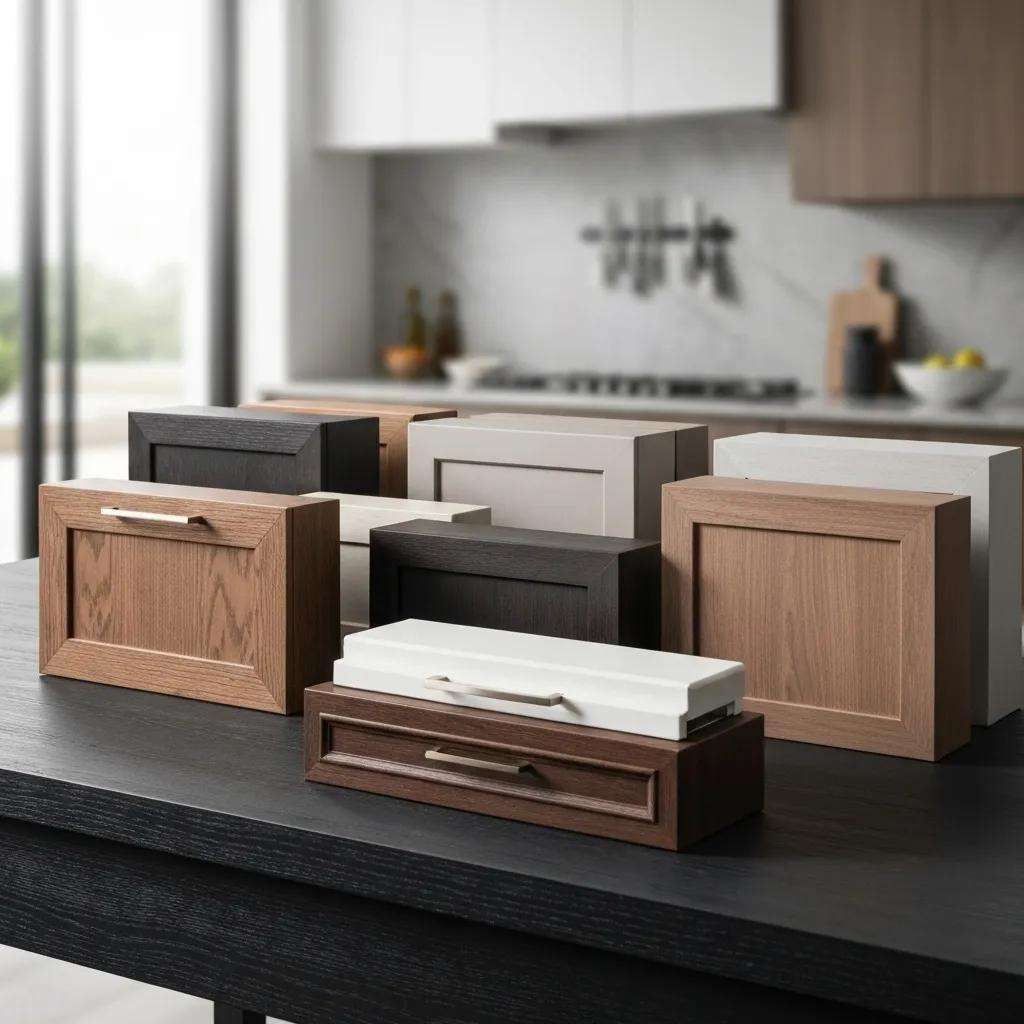
Leading luxury cabinet brands combine engineering precision, bespoke design, and premium materials to deliver standout kitchens that last generations. Reviewing European innovators alongside American craftsmen reveals differences in style, customization depth, and production methods.
Which European Brands Lead in Luxury Custom Kitchen Cabinets?
Europe’s cabinetmakers fuse centuries of woodworking heritage with modern innovation to create elegant, functional pieces.
Before comparing specifics, here is a high-level overview of three top European brands:
Each European brand emphasizes seamless integration of form and function, setting the stage for American-made alternatives with different textures and finishes.
What Are the Best American-Made Luxury Cabinet Manufacturers?
American artisans deliver warmth through exotic woods and bold finishes, focusing on homegrown materials and handcrafted joinery.
Key U.S. manufacturers include:
- Wellborn Cabinet – Features tailored door styles and eco-certified hardwoods.
- Wood-Mode – Excels in artisanal milling and lacquer finishes for a smooth, durable surface.
- Crystal Cabinet – Known for painted and glazed finishes with intricate inlays.
Each brand supports deep customization, from inset doors to curved island panels, ensuring a perfect fit in any luxury remodel.
How Do Luxury Cabinet Brands Compare in Quality and Customization?
Evaluating brand quality involves assessing materials, hardware choices, and factory capabilities.
European producers often lead in shorter lead times for standard finishes, while American makers excel in unique wood species and hand-applied finishes. Understanding these trade-offs helps homeowners balance timeline, aesthetics, and budget.
What Are the Signature Design Philosophies of Leading Cabinet Brands?
Each brand defines its identity through a core design philosophy:
- Siematic: Emphasizes slender lines and handle-free fronts for a sleek, minimalist look.
- Snaidero: Marries Italian flair with bold color accents and glossy surfaces.
- Poggenpohl: Focuses on timeless elegance with framed doors and intricate moldings.
- Wellborn: Blends classic motifs with modern hardware for transitional kitchens.
- Wood-Mode: Prioritizes wood grain precision and multi-step finishing processes.
- Crystal: Delivers artisanal hand-painted effects with subtle antiquing techniques.
Which High-End Materials Are Best for Custom Luxury Kitchen Cabinets?
Luxury cabinets leverage premium substrates and finishes to ensure durability, beauty, and sustainability. Selecting the right material influences longevity, maintenance, and environmental impact.
What Are the Benefits of Solid Wood and Exotic Wood Materials?
- Durability: Hard species like maple and hickory resist dents and warping.
- Aesthetics: Unique grain patterns in walnut or African mahogany add visual depth.
- Sustainability: FSC-certified woods ensure responsible forestry practices.
For instance, solid walnut panels aged naturally over decades, reinforcing their environmental credentials while retaining elegance.
How Do Metal, Glass, and Composite Materials Enhance Luxury Cabinets?
- Metal Accents: Brushed stainless steel or brass frames resist moisture and complement high-tech appliances.
- Glass Panels: Frosted or tinted glass doors create display zones and reflect light to enlarge spaces.
- Composite Laminates: High-pressure laminates mimic exotic veneers with scratch-resistant surfaces.
Combining these materials with wood structures delivers cutting-edge looks and practical benefits in humid or heavy-use areas.
What Sustainable and Eco-Friendly Materials Are Available for Luxury Cabinetry?
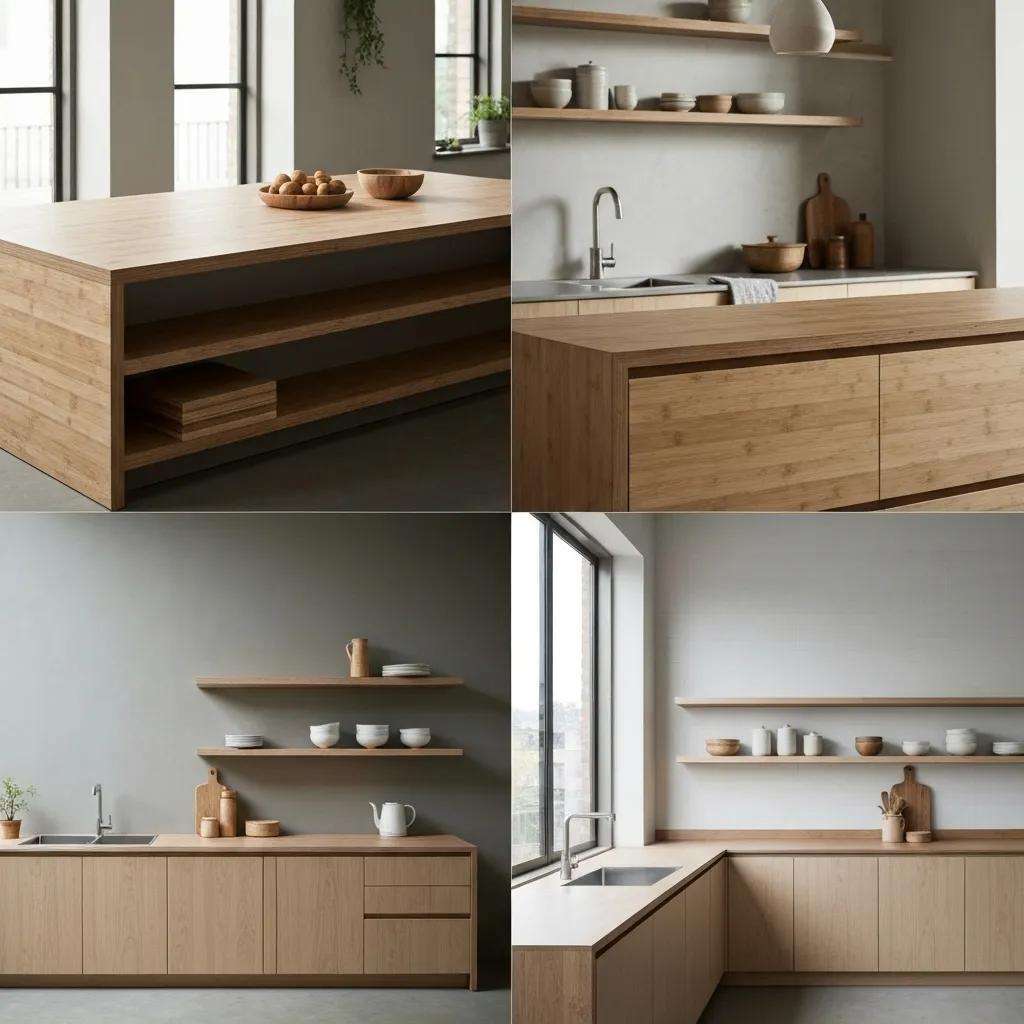
Eco-conscious homeowners can choose:
Sustainable Materials in Cabinet Manufacturing
The furniture manufacturing industry is increasingly adopting sustainable materials like eco-friendly engineered wood, certified solid wood, reclaimed wood, recycled metal, and cork. These materials offer durability, environmental benefits, and cost efficiency, with a growing consumer and contractor preference for such options due to their aesthetic appeal and reduced environmental impact.
This research confirms the availability and benefits of various sustainable and eco-friendly materials for luxury cabinetry, aligning with the article’s discussion on environmentally conscious choices.
How Do Different Finishes Affect the Look and Longevity of Cabinets?
Finishes transform the material’s appearance and maintenance profile:
- Matte Lacquer – Subdued elegance with minimal reflection; hides minor scratches.
- High-Gloss Lacquer – Reflective surfaces amplify light; requires careful cleaning.
- Hand-Rubbed Stain – Highlights wood grain with natural oils; refinishable.
- Thermofoil – Uniform color wrap over MDF; budget-friendly, less repairable.
Selecting the right finish balances visual impact, ease of care, and lifespan, ensuring cabinets remain showroom-fresh for years.
How Much Do Custom Luxury Kitchen Cabinets Cost?
Understanding cost per linear foot and project totals is essential for realistic budgeting and maximizing return on investment.
What Is the Typical Price Range per Linear Foot for Luxury Cabinets?
Custom cabinets typically range from $400 to $1,200 per linear foot, influenced by:
- Material Choice: Exotic hardwoods push costs toward $1,200+.
- Finish Complexity: Hand-rubbed or multi-step lacquers add $100–$200/LF.
- Hardware & Accessories: Soft-close hinges, pull-outs, and lighting can add $50–$150/LF.
Cost Analysis of Custom Kitchen Cabinets
The average cost of custom kitchen cabinets typically ranges between $500 and $1,200 per linear foot, influenced by factors such as material quality, design complexity, and customization options. High-end custom cabinets, made from solid wood with intricate designs and premium finishes, can exceed $1,000 per linear foot.
This citation verifies the article’s stated price range for custom luxury kitchen cabinets per linear foot, detailing the factors that contribute to the cost.
How Does Customization Level Impact Cabinet Pricing?
Every extra feature increases labor and material costs:
- Curved or Angled Panels: +15–25% for specialized joinery.
- In-cabinet Lighting: +$75–$125 per unit including wiring.
- Smart Storage Inserts: +$200–$400 per cabinet for custom pull-outs.
- Integrated Appliances: Surround panels and cabinetry modifications add $500–$1,000 per opening.
Higher customization yields exceptional utility but requires proportional investment planning.
What Are the Expected Costs for Full Luxury Kitchen Cabinet Makeovers?
Project costs for a 20-foot cabinet run typically fall between $16,000 and $48,000, depending on:
- Cabinet height (42″ vs. 36″ upper cabinets).
- Island complexities (appliance garages, seating overhangs).
- Specialty finishes (glaze, distressing, two-tone palettes).
- Matching pantries or wet bar cabinetry.
Factoring these details early prevents budget overruns and streamlines contractor proposals.
How Can Homeowners Maximize ROI with High-End Cabinets?
High-quality cabinets deliver strong resale impact by:
- Enhancing Visual Appeal: Drawing potential buyers with refined aesthetics.
- Reducing Future Maintenance: Durable materials avoid early replacements.
- Improving Workflow: Ergonomic storage solutions appeal to functional design.
- Highlighting Craftsmanship: Luxury branding elevates perceived home value.
Documenting cabinet details and appraisals through estate planning services like DocuGuardian ensures these investments are recorded accurately for insurance and inheritance.
(The remainder of the article continues with design trends, selection guidance, maintenance tips, real-life examples, and finding expert help, unchanged.)


