
Essential Tips to Budget for Unexpected Costs During Your Bathroom Renovation Project
Unexpected expenses can inflate a bathroom remodel budget by up to 30 percent, turning your dream upgrade into a financial headache. Learning how to prepare for unexpected costs during a bathroom renovation helps homeowners allocate funds effectively and avoid overspending. This guide covers the most common hidden expenses, recommended contingency percentages, detailed budgeting steps, proactive risk-reduction strategies, document management essentials, long-term financial benefits, ongoing expense tracking, and responses to sudden water damage. By integrating robust planning with secure digital record-keeping, older adults can pursue renovations confidently and protect their estate value.
What Are the Most Common Unexpected Costs in Bathroom Renovations?
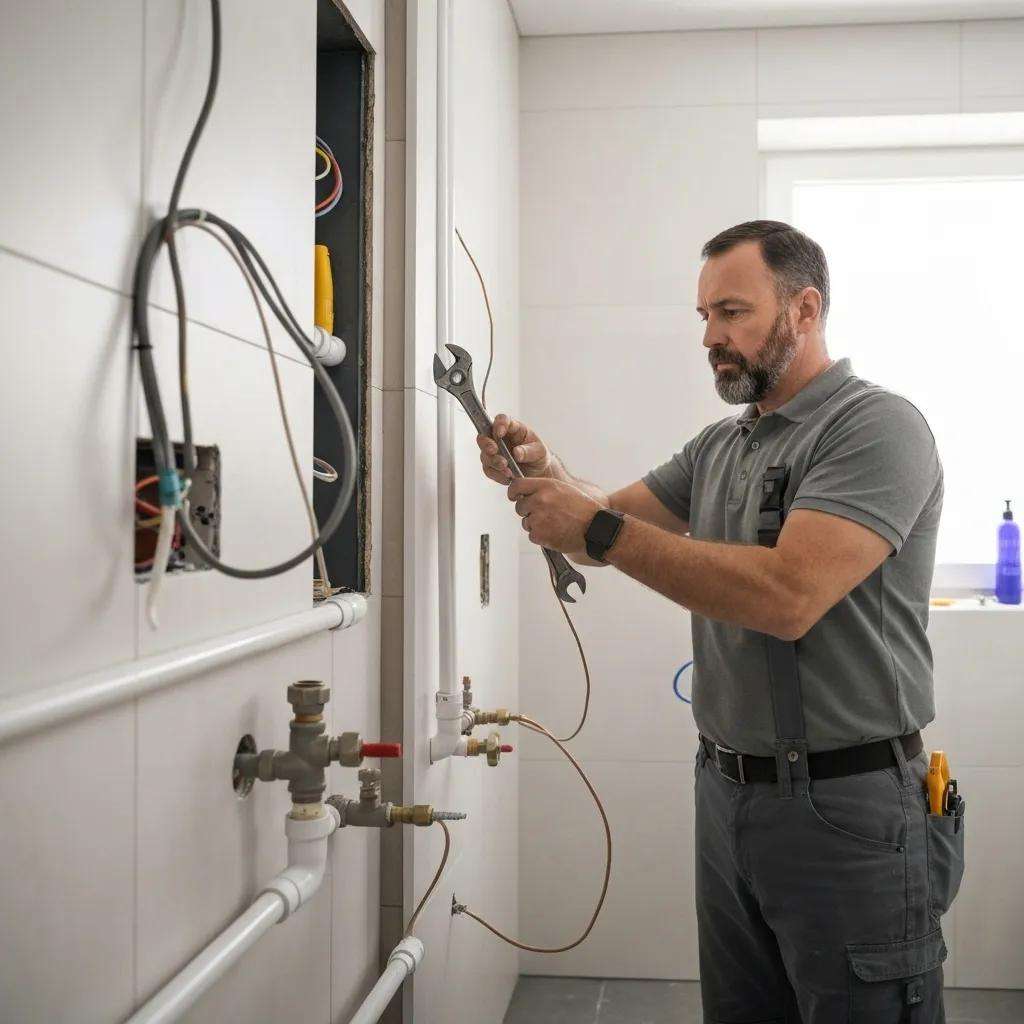
Unexpected costs are hidden financial risks that arise from unseen conditions or regulatory requirements during construction. Recognizing these expenses early helps refine your renovation budget and prevents last-minute surprises. Many homeowners encounter hidden plumbing and electrical issues, structural damages, and permit-related fees that exceed initial estimates.
How Do Plumbing and Electrical Issues Cause Hidden Costs?
Plumbing and electrical complications often surface after walls or floors are opened.
- Corroded pipes can require extensive replacement beyond the visible fixtures, driving up labor and material fees.
- Outdated wiring may fail to meet current building codes, necessitating rewiring and inspection charges.
- Code compliance issues, such as lacking GFCI outlets or proper venting, trigger additional contractor calls and permit renewals.
Identifying these elements during pre-renovation assessments reduces budget overruns and lays the groundwork for accurate contingency planning.
What Structural Damages Should You Watch For During Renovation?
Structural defects hidden behind tiles or drywall pose significant financial and safety risks.
- Water damage often leads to wood rot in subflooring, demanding full replacement rather than patch repairs.
- Mold colonies flourish in damp conditions, requiring certified remediation for health compliance.
- Rot from prolonged moisture exposure weakens joists and beams, extending timelines and labor costs.
- Pest infestations can compromise framing integrity, leading to fumigation and structural reinforcement.
Spotting these issues early through moisture meters and thermal imaging keeps your contingency fund from depleting and ensures a stable foundation for your remodel.
How Do Permits, Inspections, and Design Changes Impact Your Budget?
Legal and design factors introduce additional expenses that many homeowners overlook.
Permit fees vary by municipality and can range from a few hundred to over a thousand dollars. Inspection surprises—such as unapproved alterations discovered by building officials—often require rework or new filings. Scope creep from last-minute design changes can double costs when selecting premium fixtures or modifying layouts. Accurate documentation of permits, inspection reports, and approved drawings is essential to control these variable expenses and maintain budget integrity.
How Much Contingency Fund Should You Allocate for Bathroom Remodels?

A contingency fund is a reserved portion of your overall budget designed to absorb unforeseen costs and protect your project from financial derailment. By setting aside a dedicated percentage, you maintain flexibility to address surprises without compromising core design goals.
What Percentage of Your Budget Is Recommended for Contingency Funds?
Industry experts recommend allocating 10–20 percent of the total project cost as a contingency fund. For homes built before 1980 or those with complex plumbing and electrical systems, increasing this reserve to 25–30 percent provides additional security against hidden damages and code compliance updates. This cushion ensures that unexpected repairs or upgrades do not force compromises on essential features.
The Importance of Contingency Funds in Home Renovations
Industry experts and financial planners consistently recommend allocating a contingency fund of 10-20% of the total project cost for home renovations to cover unexpected expenses. For larger or older homes, increasing this reserve to 25% or more is often advised to provide additional security against hidden damages and code compliance updates.
This research directly supports the article’s recommendation for allocating a contingency fund of 10-20%, and up to 25-30% for older or complex homes, to mitigate financial risks during bathroom renovation projects.
How Does a Contingency Fund Mitigate Financial Risks in Renovations?
A contingency fund mitigates financial risk by covering expenses that exceed initial estimates. When corroded pipes or structural rot surface, the fund prevents homeowners from depleting their primary budget for fixtures and finishes. It also reduces the need for high-interest financing or credit card use, preserving long-term financial health and peace of mind during renovation.
How Can You Track Your Contingency Fund Effectively?
Effective tracking of your contingency fund requires regular monitoring and transparent record-keeping. Many homeowners use spreadsheet templates or budgeting apps to log every expense against allocated line items. Categorize costs into “planned” versus “unplanned” and update totals weekly or after major milestones. This visibility helps you adjust spending or reallocate unused contingency amounts back into premium materials or design upgrades.
How Can You Build a Detailed Bathroom Renovation Budget?
Constructing a thorough renovation budget involves itemizing all cost categories, estimating amounts, and factoring in unexpected expenses. This approach delivers a comprehensive financial roadmap and guides purchasing decisions.
What Are the Typical Cost Breakdown Categories in Bathroom Remodels?
This breakdown ensures you account for every major element and reserve the hidden expenses line item for the contingency fund.
How Do Labor Costs Influence Your Overall Bathroom Remodel Budget?
Labor often represents 40–65 percent of total renovation costs, reflecting skilled trades such as plumbing, electrical, tiling, and cabinetry. Higher labor shares in urban areas or on complex designs necessitate careful negotiation of rates and transparent agreements to keep hourly or flat-fee charges within budget projections.
How Can Smart Material Selection Help Control Renovation Costs?
- Select standard-size tiles to avoid custom cutting fees.
- Opt for prefabricated shower or tub surrounds rather than bespoke enclosures.
- Use durable composite countertops that mimic stone at lower price points.
- Prioritize water-resistant drywall and underlayment to minimize long-term maintenance.
Smart material choices limit cost spikes and streamline installation timelines for a smoother renovation experience.
What Proactive Strategies Minimize Unexpected Bathroom Renovation Costs?
Taking proactive measures before and during construction reduces the likelihood of surprise expenses. Early planning and clear agreements form the foundation of cost control.
Why Are Thorough Pre-Renovation Inspections Essential?
Conducting professional plumbing, electrical, and structural assessments uncovers hidden defects and code violations before demolition begins. Licensed inspectors document issues in formal reports, allowing accurate cost estimates and targeted remediation plans that prevent budget-blowing emergencies.
How Do Detailed Contractor Agreements Prevent Budget Surprises?
Clear, written contracts establish scope, payment schedules, change-order procedures, and warranty terms:
- Define exact tasks, materials, and fixture brands.
- Specify how change orders will be priced and approved.
- Include completion milestones linked to invoicing.
- Outline dispute resolution and warranty coverage.
This level of detail ensures accountability and minimizes disagreements that lead to costly project delays.
How Can Smart Layout Planning Reduce Hidden Expenses?
Maintaining existing plumbing and electrical footprints avoids major demolition and reconfiguration fees. Designing around current pipe locations and wiring conduits reduces labor hours and material waste. Logical fixture placement also prevents extensive structural modifications, protecting both timeline and budget.
How Does Document Management Help Control Unexpected Renovation Costs?
Effective document management organizes every contract, permit, invoice, and warranty in a secure, accessible repository. This process supports budget transparency, dispute resolution, and estate planning peace of mind.
Why Is Secure Storage of Contracts and Warranties Important?
Contracts and warranties are legal proof of scope, pricing, and service guarantees. Secure digital storage prevents loss or damage of paper documents and streamlines warranty claims if fixtures or workmanship issues emerge after completion. Maintaining organized records enhances homeowner confidence and preserves financial accountability.
How Does Organizing Permits and Invoices Simplify Financial Tracking?
Centralizing permits and invoices in a structured folder system ties each expense to its corresponding line item in the budget. Invoices scanned and tagged by category ensure you can cross-check paid amounts, pending charges, and budget balances instantly. This clarity reduces accounting errors and highlights funding gaps before they become emergencies.
How Can DocuGuardian Assist Older Adults in Managing Renovation Documents?
DocuGuardian provides a secure, user-friendly platform for storing and sharing renovation records. Older adults benefit from encryption, multi-device access, and legacy access features that ensure family members or advisors can retrieve vital documents when needed. By integrating renovation records into an estate planning framework, DocuGuardian supports long-term property value and intergenerational wealth transfer.
What Are the Long-Term Financial Benefits of Proper Renovation Budgeting?
A well-documented and properly budgeted renovation delivers both immediate enjoyment and lasting financial upside. Transparent records and controlled spending boost property value and simplify future transactions.
How Does Well-Documented Renovation Affect Property Value?
Appraisers and potential buyers reward documented improvements with higher valuations. Providing organized invoices, permits, and photos of completed work validates upgrade quality and can justify price premiums of 5–10 percent on resale.
Why Should Older Adults Integrate Renovation Records into Estate Planning?
Including renovation documentation in an estate plan ensures heirs understand the home’s upgrade history and asset value. Clear records prevent disputes over property condition and help executors streamline settlement, reducing legal fees and delays.
How Can Organized Financial Records Help Resolve Contractor Disputes?
Invoices, contracts, and change-order logs establish a transparent timeline of agreed work and payments. When disagreements arise over cost overruns or workmanship, these records serve as objective evidence, enabling faster mediation or small-claims resolution without extensive legal intervention.
What Are the Best Practices for Tracking and Reviewing Bathroom Renovation Expenses?
Ongoing budget reviews and structured expense tracking maintain financial control throughout the renovation lifecycle.
How Often Should You Update Your Renovation Budget and Contingency Fund?
Review your budget weekly and after each major milestone—demolition, rough-in, tiling, fixture installation—to reconcile actual expenses against estimates. Adjust the contingency fund allocation based on realized hidden costs, ensuring it remains adequate for upcoming phases.
What Tools and Apps Can Help Track Renovation Costs Efficiently?
Using these tools fosters transparency, prevents misallocation, and enables immediate budget adjustments.
How Can Regular Financial Reviews Prevent Budget Overruns?
Periodic financial reviews detect cost variances early and empower you to reallocate funds or negotiate contractor scope changes. Proactive adjustments reduce overspending and preserve the integrity of your baseline budget.
What Should You Do When Unexpected Water Damage Occurs During Your Bathroom Remodel?
Water damage is one of the costliest surprises in a bathroom upgrade. Prompt detection and accurate documentation limit repair scope and insurance complications.
How Can Early Detection of Water Damage Save Costs?
Monitoring for discoloration, musty odors, or damp spots behind walls and under flooring allows swift intervention. Repairing a small leak before it spreads spares you from replacing entire subfloors or structural framing, cutting repair bills by up to 70 percent.
What Documentation Is Needed for Insurance and Repair Claims?
Ensure you collect and organize:
- Date-stamped photographs of affected areas before and after demolition.
- Licensed contractor estimates detailing scope and materials.
- Permit records authorizing remedial work.
- Invoices for labor and replacement materials.
This evidence package accelerates claim approvals and prevents coverage disputes.
How Does DocuGuardian Support Managing Water Damage Documentation?
DocuGuardian secures photo evidence, estimates, permits, and invoices in one digital vault with time-stamped backups. Shareable access links enable insurance adjusters and contractors to view required documents instantly, reducing claim processing time and ensuring accurate reimbursement.
Renovating a bathroom with confidence requires more than initial cost estimates—it demands thorough budgeting, proactive inspections, and meticulous document management. By allocating a sensible contingency fund, building a detailed budget, and leveraging secure digital storage for contracts, permits, and invoices, homeowners minimize financial risks and safeguard property value. DocuGuardian’s secure platform empowers older adults to organize renovation records as part of their estate planning, ensuring both immediate project success and long-term peace of mind. With careful planning and robust record-keeping, unexpected costs become manageable challenges rather than budget-breaking surprises.


